Roof Repair in Downtown Nutley from $150. $350 to $1,800 covers most of it -- and a repair that keeps coming back was in the wrong place. Free inspection and a written quote.
With a business underneath, the constraint on a repair is rarely the work. It is getting to the roof, the hours that suit whoever is trading below, and not leaving anything open over a tenant overnight.
Most repairs land between $350 and $1,800, with genuinely minor work from about $150. The range is wide because it covers two different jobs: putting right something visible, and finding something that is not.


Most repairs land between $350 and $1,800, with genuinely minor work from about $150. A repair is also the easiest place to see workmanship, because the area is small enough to take in at once -- and face nailing or sealant standing in for a lap is not subtle on a patch. Priced as low-slope commercial work rather than as a house. Access through a tenancy, hours that fit a trading business, and a parapet with internal drainage are the real lines -- and the pitch you can see from the sidewalk is usually not the whole roof.
A visible bounded failure on an accessible slope: a lifted course, a split pipe boot, a length of flashing. Diagnosed in minutes and fixed the same day.
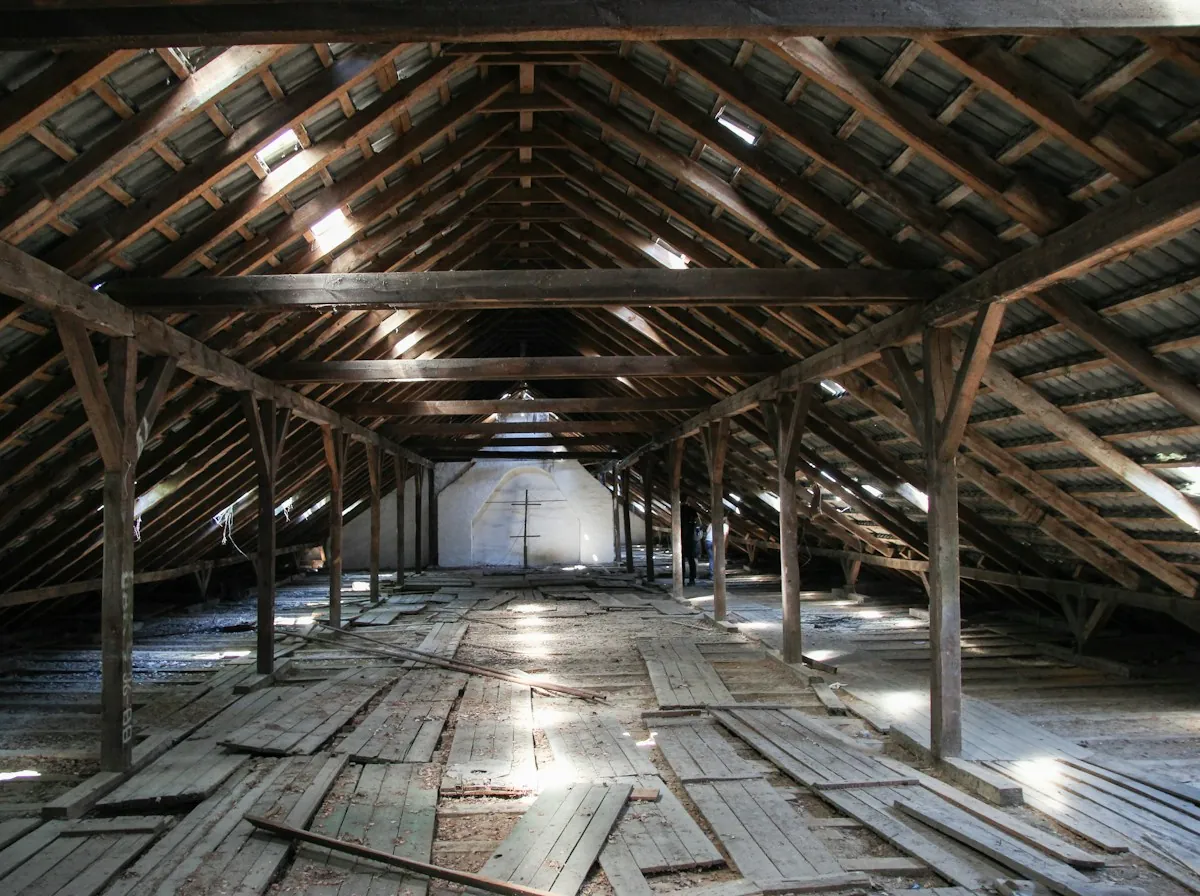
A leak that has already been patched. Tracing water tracking along a rafter takes time in the roof space, and in a cape with finished rooms there may be very little roof space to look in.
Two coverings already up there, granule loss across the field, or deck that gives underfoot. At that point a repair buys a season and should be sold to you as buying a season.
Low-slope roofs behind street parapets with internal drainage, and a business trading underneath -- which makes access and hours the constraint rather than anything about the covering. The visible pitch from the street is usually not the whole roof.
On a building with a shop below, the sequence and the trading hours are as much of the job as the membrane is.
Worth knowing before you start ringing round, because the worst month to be choosing is the month everybody else is.
Roofs in this part of New Jersey fail at the edges over winter. Water backs up under the courses at the eaves, freezes, lifts them, and the ceiling below stains during the first proper thaw -- so the calls arrive in a cluster, in the same two weeks, across the whole township at once.
Mixed-use buildings on the avenue are a different job from the houses behind them: low-slope roofs behind street parapets, internal drainage, and a shop trading underneath.
Water into a shop below is somebody's stock as well as somebody's ceiling, so the first call is cover and the second is to whoever trades underneath.
This is where the real flat roofing in Nutley is: behind street parapets on the avenue, with internal drainage and a business trading below.
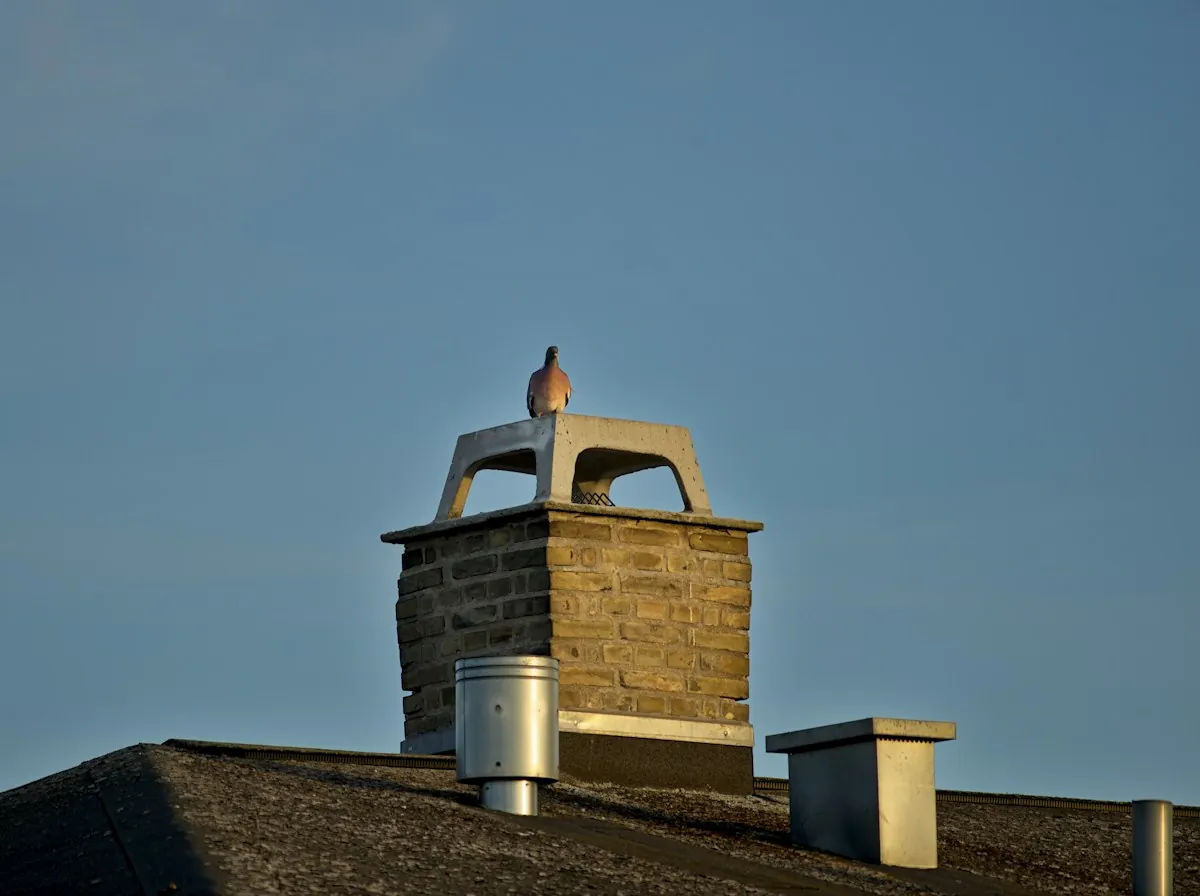
On the avenue the equivalent detail is usually not a domestic chimney at all but a parapet coping and the upstand behind it.
On a mixed-use building the inspection has to state what was not reachable -- areas behind parapets, sections over a tenancy with no access -- rather than implying a completeness it does not have..
One township, one office. The walkaround is the point.
Plain roofs, where sloppy work shows up fastest.
Heavy canopy. Valleys, gutters and shaded slopes.
Capes with rooms in the roof. Ventilation first.
Mixed use and multi-family. Unit count decides it.
The oldest stock. Board decking and second layers.
The questions that come up, before you have to ask.
Stop patching and survey the roof space. Water entering at a chimney or a valley can track several feet along a rafter before it shows on a ceiling, so a repair directly above the stain fixes nothing. Two failed patches is strong evidence the entry point was never where the work was done.
Look at it. On a patch the area is small enough to take in at once: the new tabs should line up with their neighbors, there should be no nail heads on the exposed face, and any junction should be lapped rather than sealed. If sealant is doing structural work, it will be back.
Labor, usually -- typically more than half the total, and the share rises with pitch and complexity because steep, broken-up roofs take far longer per square foot. But the item that most often moves a final bill away from the quoted figure is different: replacement decking, which nobody can measure until the old covering is off. That is why it belongs in the scope as a rate per sheet rather than a lump sum, and why a quote without one will probably change.
Usually not, on a house. Replacing the roof COVERING on a detached one- or two-family dwelling is ordinary maintenance under N.J.A.C. 5:23-2.7 -- no permit, no notice, no inspection. Nutley has a good deal of two-family housing, so that covers most of the township. Three or more units, an attached building, or anything structural under the covering is a different answer. Unlike most of this county there is one construction office for the whole of Nutley, so there is only one place to ask.
Look at the paperwork rather than the pitch. In New Jersey a home improvement contract over $500 must be in writing and signed, must carry the contractor's legal name and business address, and must give you three business days to cancel -- so a price described as good only for today is not something the law holds you to. Add two practical tests: a deposit that is a large share of the total before any material arrives, and a quote that names no specific materials. A scope that says only 'strip and re-roof' cannot be held to anything.
The details named in the scope, so they are checkable afterwards. A walkaround with you before the balance is mentioned.