Roof Inspection in Kingsland Manor from free with a quote. Including the one nobody offers: an inspection of work somebody else has just finished. Free inspection and a written quote.
The single most useful thing an inspection settles on the oldest stock is whether the deck is board or plywood, and how many coverings sit on it. Both change what can be fixed over and whether a tear-off is a choice or an inevitability.
Two different visits go by this name. The ordinary one looks at a roof you have had for years and tells you what it has left: the slope, the details that fail, the roof space, the layer count, the deck, and a written view on remaining life.


The inspection is free when attached to a quote, and what follows is the ordinary repair range of $350 to $1,800. There is also a second kind of visit here that nobody else offers: an independent, itemized look at work somebody else has just finished, while the final payment is still in your hand. The oldest housing in the township, so expect the age of the building to do the work: board sheathing rather than plywood, frequently no ice barrier at the eaves, and often a second covering already laid over the first. Three unknowns, settled by looking.
Slope, the details that actually fail, roof space, deck and layer count, with photographs and a written view on remaining life -- including when that view is that nothing needs doing.
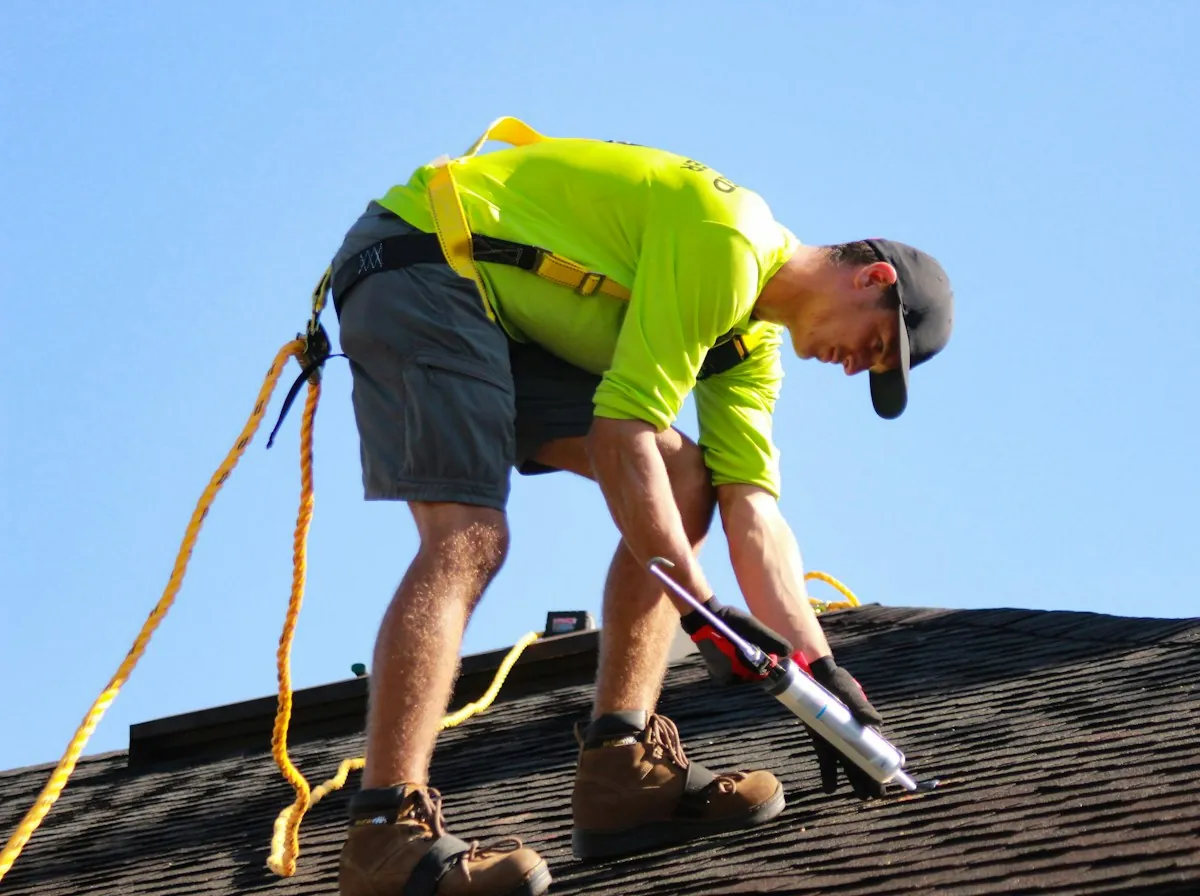
Courses, exposure, face nailing, starter course, ridge cap, valleys, flashing, drip edge and how the site was left. Photographed and itemized, and written plainly enough to hand straight to the contractor who did the work.
Before the final payment it is a snag list and most roofers will simply fix it. After the final payment it is a complaint, and you are asking a favor.
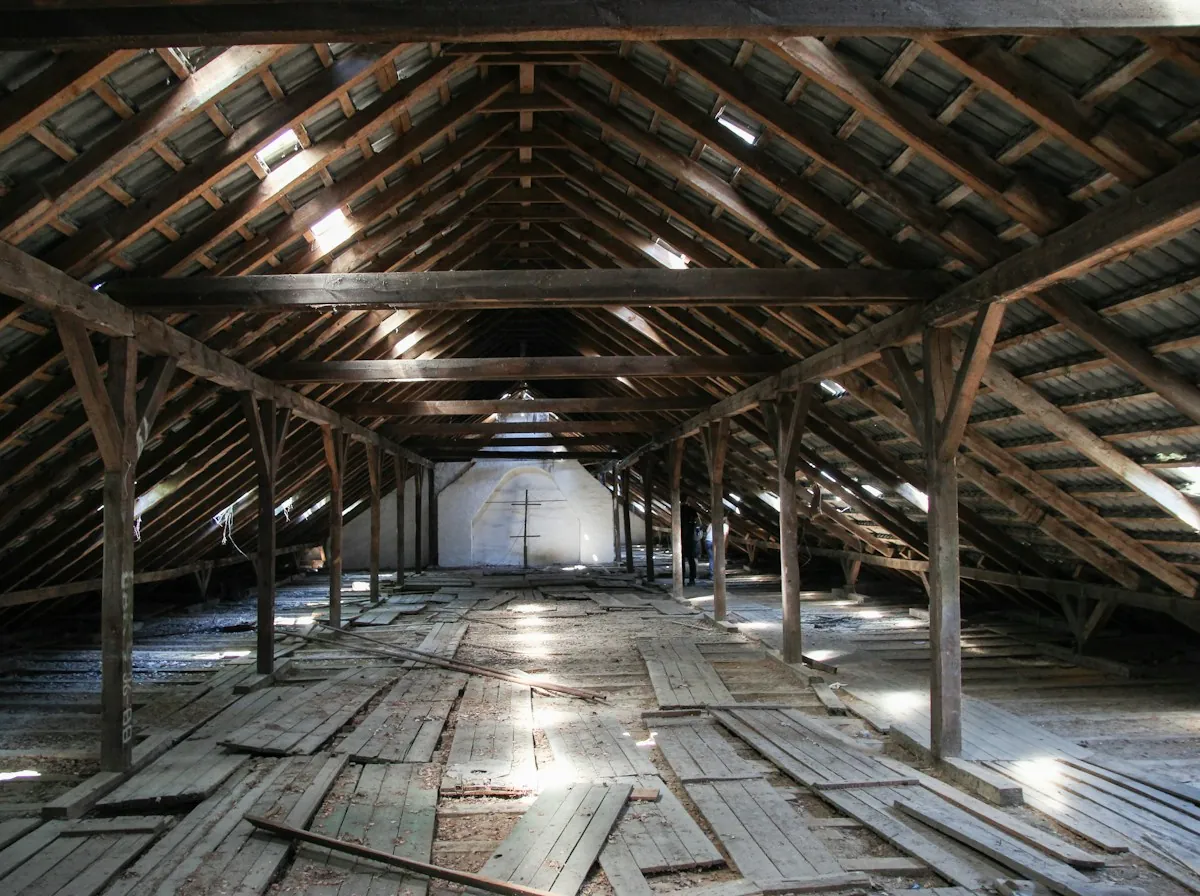
Age is the variable here and it is not visible from the street. Board sheathing rather than plywood on the older houses, second coverings laid over first ones, and eaves that predate anyone expecting an ice barrier to be there. All three change the job and none is guessable.
On the oldest stock the deck gets checked by lifting rather than by looking, because boards and plywood do not hold a nail the same way.
Worth knowing before you start ringing round, because the worst month to be choosing is the month everybody else is.
Roofs in this part of New Jersey fail at the edges over winter. Water backs up under the courses at the eaves, freezes, lifts them, and the ceiling below stains during the first proper thaw -- so the calls arrive in a cluster, in the same two weeks, across the whole township at once.
The oldest housing in the township, where three things get established before a price: whether the deck is board sheathing, whether an ice barrier was ever fitted at the eaves, and how many coverings are already up there.
Board sheathing changes what a repair can do.
On the oldest houses an emergency can be an open deck rather than a lifted course, particularly where a second covering has been holding the first one down.
Older extensions here often carry a membrane laid over a tired built-up roof that nobody has ever taken off, so the new covering inherits every defect underneath it.
The oldest stacks in the township, with mortar joints eroded enough that counter-flashing has nothing sound to bed into until they are raked and made good.
One township, one office. The walkaround is the point.
Plain roofs, where sloppy work shows up fastest.
Heavy canopy. Valleys, gutters and shaded slopes.
Capes with rooms in the roof. Ventilation first.
Mixed use and multi-family. Unit count decides it.
The avenue: parapets, drainage, tenants below.
The questions that come up, before you have to ask.
Yes, and that is the visit worth booking before you settle the invoice. You get an itemized, photographed list against the same eight checks -- courses, face nailing, starter course, ridge cap, valleys, flashing, drip edge, site condition -- written plainly enough to hand straight to the contractor.
Yes, in writing. If the work is sound and whoever raised the doubt was wrong, that is what the document says. A report that finds fault every single time is not an inspection service, it is a sales tool.
Shingles, up front, by a wide margin -- architectural asphalt at $5.50 to $8.00 a square foot against roughly double that for a decent metal system. Metal lasts substantially longer, so on a house you will keep for thirty years the cost per year can favor it. On a house you will sell in five it does not. The honest framing is cost per year of expected life, and on most houses in this township asphalt wins that comparison comfortably.
Labor, usually -- typically more than half the total, and the share rises with pitch and complexity because steep, broken-up roofs take far longer per square foot. But the item that most often moves a final bill away from the quoted figure is different: replacement decking, which nobody can measure until the old covering is off. That is why it belongs in the scope as a rate per sheet rather than a lump sum, and why a quote without one will probably change.
Eight of them are visible without climbing anything. Shingle courses that wander, or exposure that changes from row to row -- nobody snapped a chalk line. Nail heads showing on the exposed face of a tab, each of which is a hole with a metal plug in it. No starter course under the first row at the eaves or up the rakes. Ridge cap made from three-tab cut into squares on an architectural roof. Valleys with sealant instead of metal. Fresh caulk on old flashing at the chimney, meaning it was reused. No drip edge behind the gutter. And nails and debris left in the garden. Look for all eight before the final payment, not after.
The details named in the scope, so they are checkable afterwards. A walkaround with you before the balance is mentioned.