Roof Inspection in Avondale from free with a quote. Including the one nobody offers: an inspection of work somebody else has just finished. Free inspection and a written quote.
On a multi-family building the roof space may be divided, shared or inaccessible, so part of the inspection is establishing what can actually be reached. A report that quietly omits the parts nobody looked at is worse than no report.
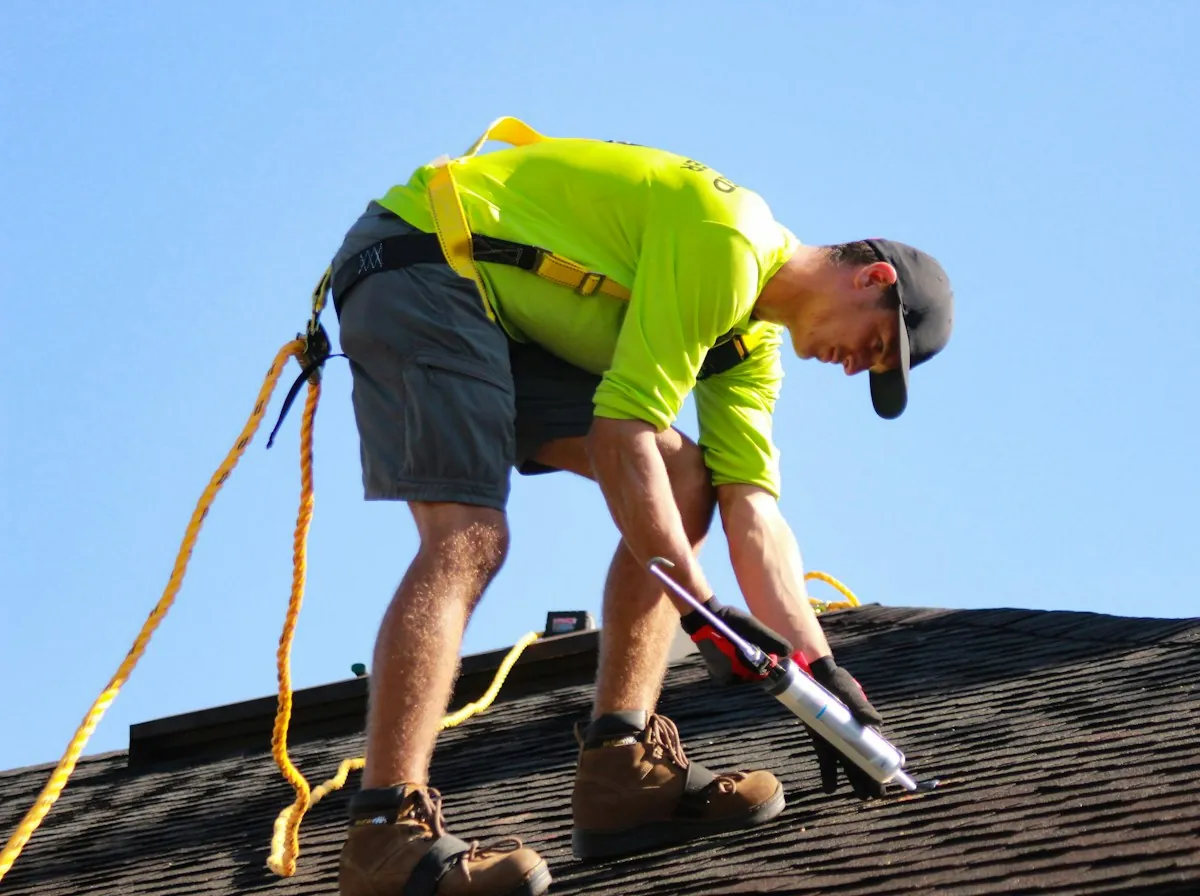
Two different visits go by this name. The ordinary one looks at a roof you have had for years and tells you what it has left: the slope, the details that fail, the roof space, the layer count, the deck, and a written view on remaining life.


The inspection is free when attached to a quote, and what follows is the ordinary repair range of $350 to $1,800. There is also a second kind of visit here that nobody else offers: an independent, itemized look at work somebody else has just finished, while the final payment is still in your hand. Unit count comes before covering. One or two units in a detached building is ordinary maintenance; three or more, or an attached building, is not, and that changes the program. Low-slope sections get priced as their own area rather than absorbed.
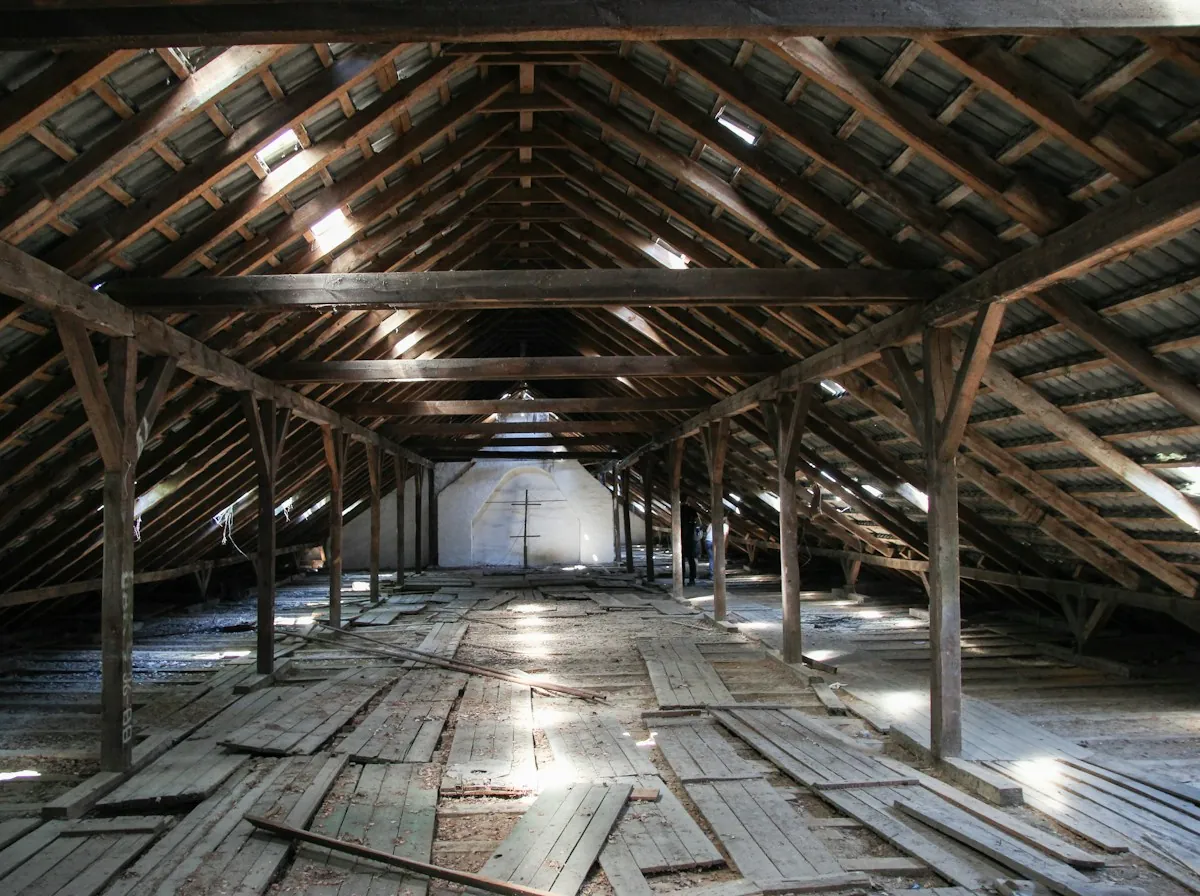
Slope, the details that actually fail, roof space, deck and layer count, with photographs and a written view on remaining life -- including when that view is that nothing needs doing.
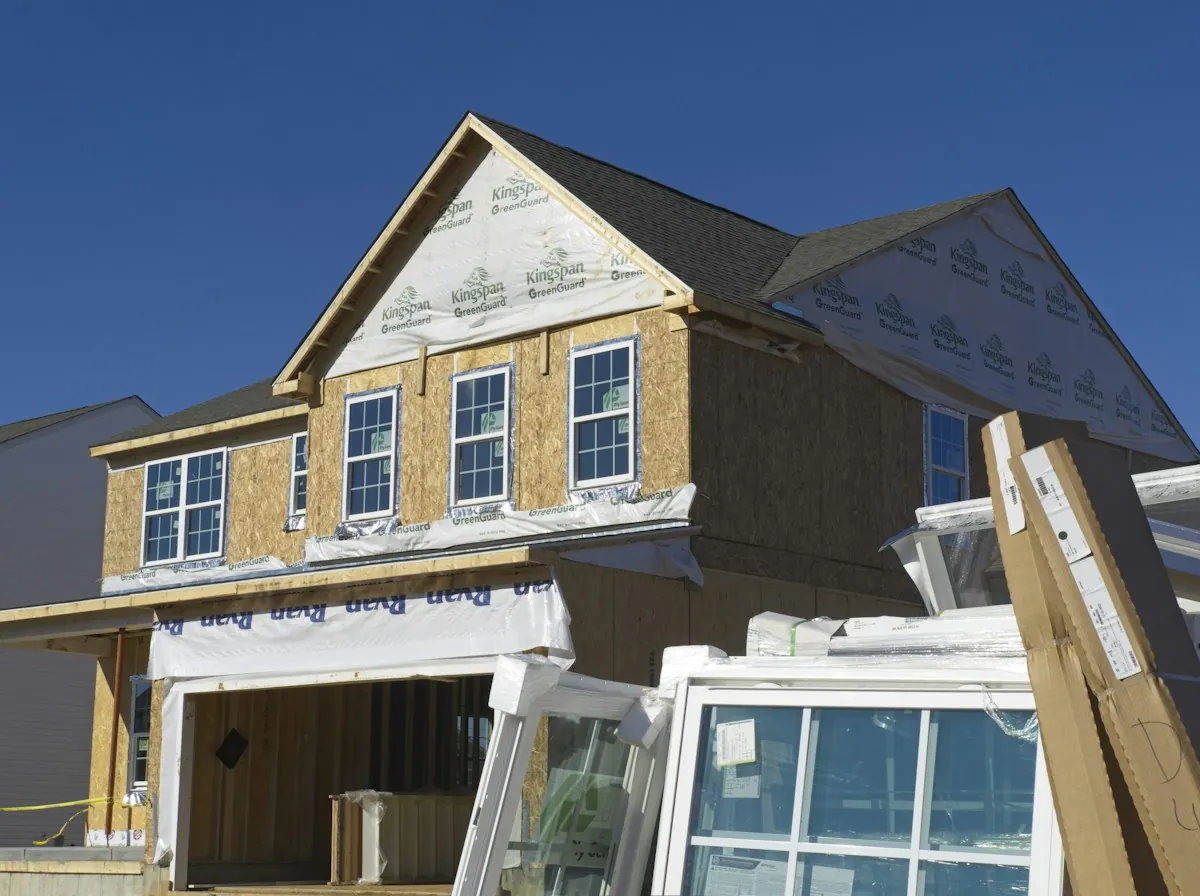
Courses, exposure, face nailing, starter course, ridge cap, valleys, flashing, drip edge and how the site was left. Photographed and itemized, and written plainly enough to hand straight to the contractor who did the work.
Before the final payment it is a snag list and most roofers will simply fix it. After the final payment it is a complaint, and you are asking a favor.
The one part of Nutley where the unit count is a real question before the covering. Ordinary maintenance covers a detached one- or two-family dwelling; three or more units or an attached building does not, and that changes the paperwork rather than the roof.
Establish how many units the building is before discussing anything else, because the answer decides whether a permit is involved at all.
The last one is the only one on this list that costs the contractor anything to agree to.
New Jersey registers home improvement contractors and the number belongs on the paperwork, not just a website footer. Its absence tells you something before you have read a price.
Tear-off and disposal is a real cost and a real nuisance. A quote that does not mention it either has not included it or intends to overlay, and overlaying is a decision you should be making rather than discovering.
This is the one that separates people. The work is finished, the balance is not paid, and somebody goes round the outside with you against a list. A contractor who is happy to do that is telling you what they expect you to find.
The one part of Nutley where the unit count comes before the covering.
On a two-family or an attached building a repair has to account for a junction that somebody else owns part of.
On a multi-family building the overnight requirement is that every unit stays dry, which constrains the sequence far more than the work does.
Townhouses and small apartment buildings bring genuine low-slope roofing to this section, sometimes running continuously over several homes.
On attached and multi-family buildings there are often several flues through one roof plane, and a single failed detail can put water into a unit some distance from the stack.
One township, one office. The walkaround is the point.
Plain roofs, where sloppy work shows up fastest.
Heavy canopy. Valleys, gutters and shaded slopes.
Capes with rooms in the roof. Ventilation first.
The oldest stock. Board decking and second layers.
The avenue: parapets, drainage, tenants below.
The questions that come up, before you have to ask.
Yes, and that is the visit worth booking before you settle the invoice. You get an itemized, photographed list against the same eight checks -- courses, face nailing, starter course, ridge cap, valleys, flashing, drip edge, site condition -- written plainly enough to hand straight to the contractor.
Yes, in writing. If the work is sound and whoever raised the doubt was wrong, that is what the document says. A report that finds fault every single time is not an inspection service, it is a sales tool.
For a standard asphalt roof on an average house here, yes -- that is well above the $12,000 to $18,000 most 2,000 square foot houses cost. It is not unreasonable for a large or steeply pitched house, a roof with a lot of valleys and dormers, or slate. The number alone does not answer the question; what the quote itemizes does. If it does not break out area, tear-off, decking and the details, no figure can be judged either way.
Shingles, up front, by a wide margin -- architectural asphalt at $5.50 to $8.00 a square foot against roughly double that for a decent metal system. Metal lasts substantially longer, so on a house you will keep for thirty years the cost per year can favor it. On a house you will sell in five it does not. The honest framing is cost per year of expected life, and on most houses in this township asphalt wins that comparison comfortably.
Usually not, on a house. Replacing the roof COVERING on a detached one- or two-family dwelling is ordinary maintenance under N.J.A.C. 5:23-2.7 -- no permit, no notice, no inspection. Nutley has a good deal of two-family housing, so that covers most of the township. Three or more units, an attached building, or anything structural under the covering is a different answer. Unlike most of this county there is one construction office for the whole of Nutley, so there is only one place to ask.
The details named in the scope, so they are checkable afterwards. A walkaround with you before the balance is mentioned.