Flat Roofing in Avondale from $5. $5 to $14 a square foot, and the junction is where these actually fail. Free inspection and a written quote.
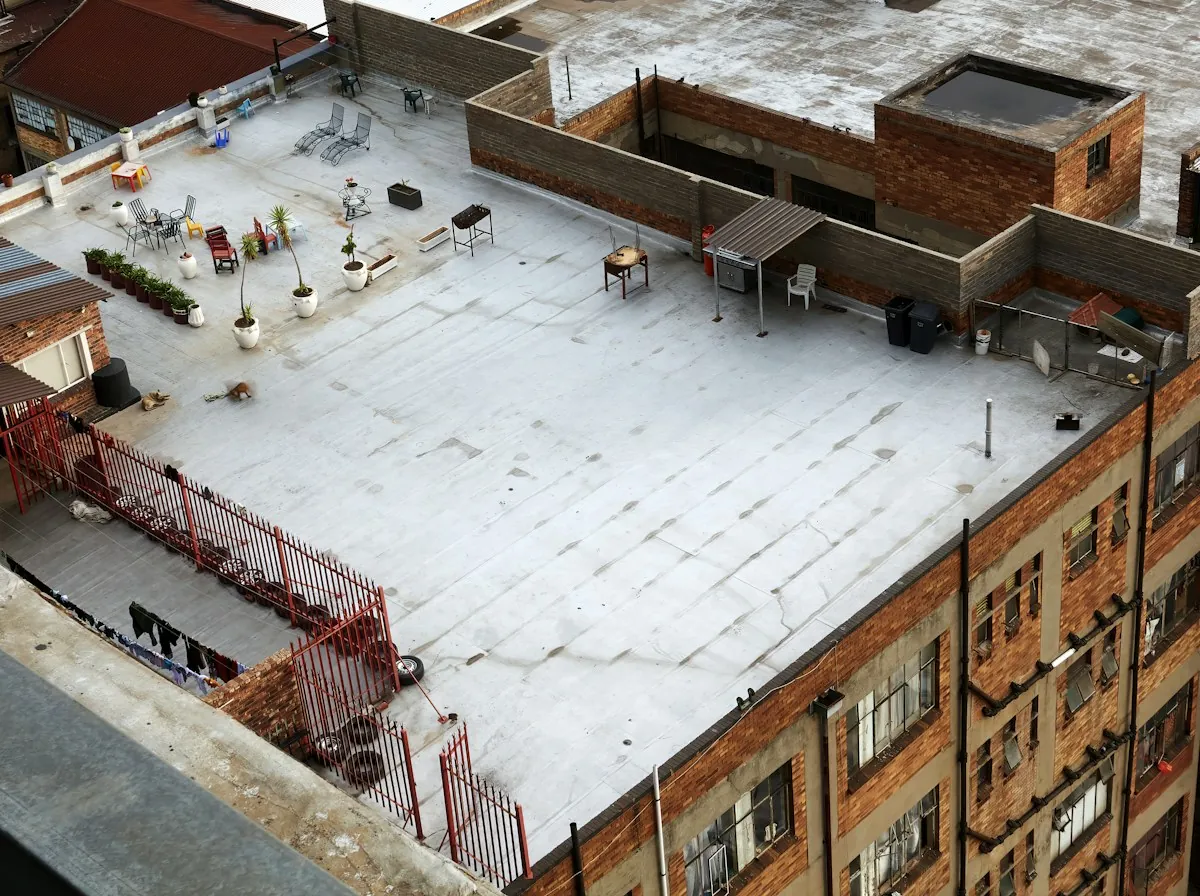
Townhouses and small apartment buildings bring genuine low-slope roofing to this section, sometimes running continuously over several homes. A shared outlet then means everybody's water arrives at one person's ceiling, which is a maintenance question as much as a roofing one.
Flat roofing installs at $5 to $14 per square foot: EPDM at $5 to $9 and TPO at $6 to $12 across normal residential work. Very little of the low-slope roofing in Nutley is a whole building -- it is rear extensions, porch roofs, dormer tops and garages, sitting beside a pitched roof and usually draining onto it.


Flat roofing installs at $5 to $14 per square foot: EPDM at $5 to $9 and TPO at $6 to $12. Almost all of it here is an extension, porch, dormer top or garage beside a pitched roof, which is why the junction is the job. Unit count comes before covering. One or two units in a detached building is ordinary maintenance; three or more, or an attached building, is not, and that changes the program. Low-slope sections get priced as their own area rather than absorbed.
A simple rectangle with a real fall on it, at accessible height, draining somewhere sensible. Most post-war extensions qualify and the work is quick.
Junctions and parapets. Where a low-slope roof meets a wall or a pitched slope the detail is the job, and behind a street parapet the coping and the internal outlets are as well.
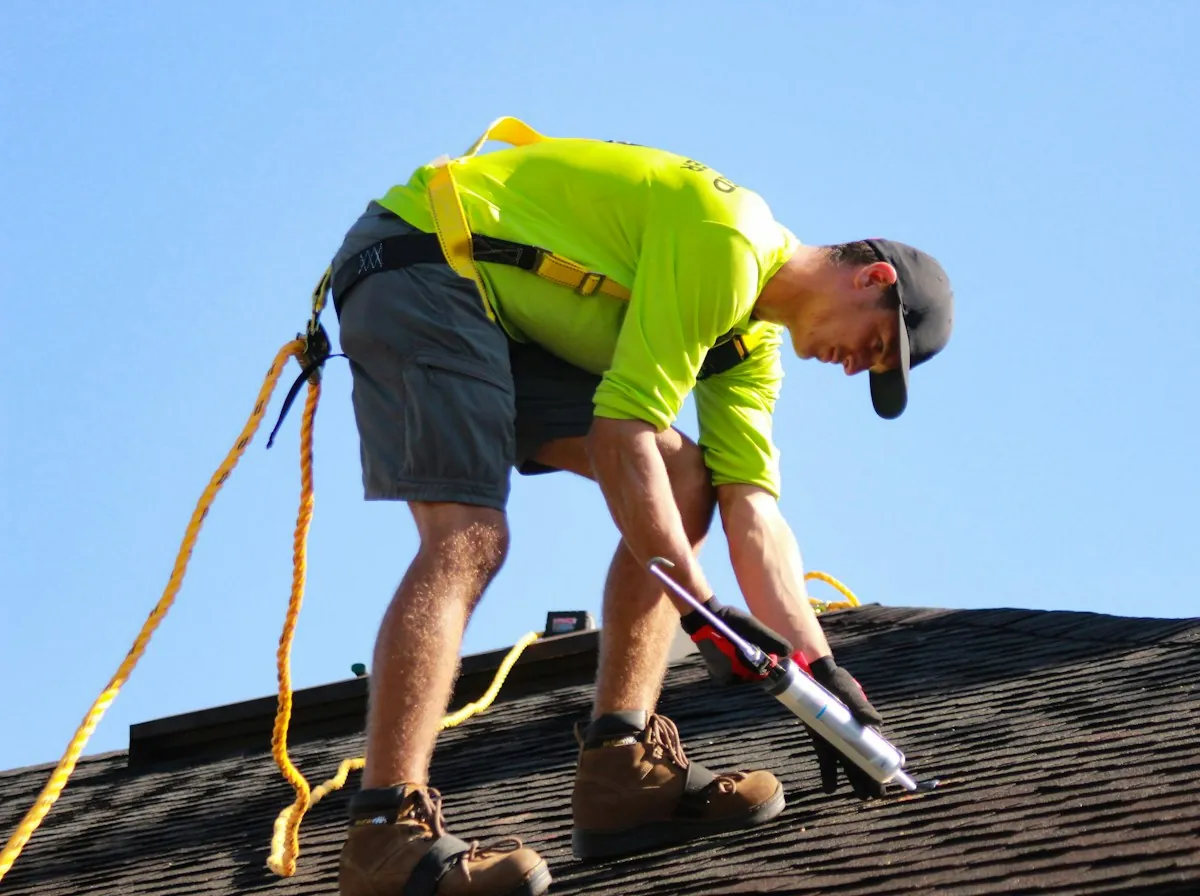
A membrane taken up a wall and finished with a bead of sealant. An upstand has to be dressed and mechanically terminated; sealant is a finish, not a fixing.
The one part of Nutley where the unit count is a real question before the covering. Ordinary maintenance covers a detached one- or two-family dwelling; three or more units or an attached building does not, and that changes the paperwork rather than the roof.
Establish how many units the building is before discussing anything else, because the answer decides whether a permit is involved at all.
The last one is the only one on this list that costs the contractor anything to agree to.
Starter course, ridge cap, valley metal, drip edge, ice barrier. If they are written down they are checkable afterwards; if the quote says only 'strip and re-roof', there is nothing to hold it to.
Tear-off and disposal is a real cost and a real nuisance. A quote that does not mention it either has not included it or intends to overlay, and overlaying is a decision you should be making rather than discovering.
This is the one that separates people. The work is finished, the balance is not paid, and somebody goes round the outside with you against a list. A contractor who is happy to do that is telling you what they expect you to find.
The one part of Nutley where the unit count comes before the covering.
On a two-family or an attached building a repair has to account for a junction that somebody else owns part of.
On a multi-family building the overnight requirement is that every unit stays dry, which constrains the sequence far more than the work does.
On attached and multi-family buildings there are often several flues through one roof plane, and a single failed detail can put water into a unit some distance from the stack.
On a multi-family building the roof space may be divided, shared or inaccessible, so part of the inspection is establishing what can actually be reached.
One township, one office. The walkaround is the point.
Plain roofs, where sloppy work shows up fastest.
Heavy canopy. Valleys, gutters and shaded slopes.
Capes with rooms in the roof. Ventilation first.
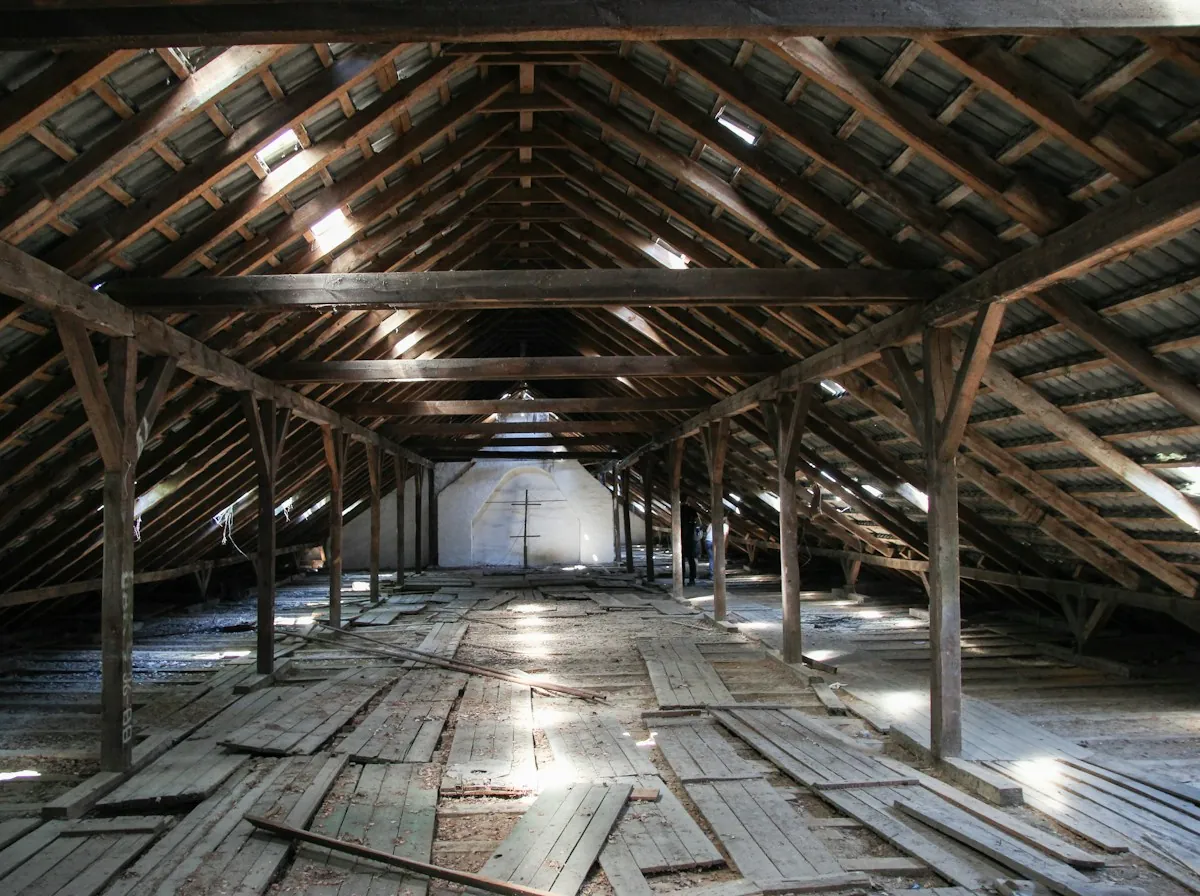
The oldest stock. Board decking and second layers.
The avenue: parapets, drainage, tenants below.
The questions that come up, before you have to ask.
Not in itself. Water that clears within a day or two of rain is normal. Water still there a week later is a seam being tested continuously, and it usually means the fall does not actually run or an outlet is not at the low point.
A membrane taken up a wall and finished with a bead of sealant rather than dressed and mechanically terminated. Also seams that run downhill rather than across the fall, and an outlet that is not at the lowest point of the roof -- all visible from a window above.
For a standard asphalt roof on an average house here, yes -- that is well above the $12,000 to $18,000 most 2,000 square foot houses cost. It is not unreasonable for a large or steeply pitched house, a roof with a lot of valleys and dormers, or slate. The number alone does not answer the question; what the quote itemizes does. If it does not break out area, tear-off, decking and the details, no figure can be judged either way.
Shingles, up front, by a wide margin -- architectural asphalt at $5.50 to $8.00 a square foot against roughly double that for a decent metal system. Metal lasts substantially longer, so on a house you will keep for thirty years the cost per year can favor it. On a house you will sell in five it does not. The honest framing is cost per year of expected life, and on most houses in this township asphalt wins that comparison comfortably.
Usually not, on a house. Replacing the roof COVERING on a detached one- or two-family dwelling is ordinary maintenance under N.J.A.C. 5:23-2.7 -- no permit, no notice, no inspection. Nutley has a good deal of two-family housing, so that covers most of the township. Three or more units, an attached building, or anything structural under the covering is a different answer. Unlike most of this county there is one construction office for the whole of Nutley, so there is only one place to ask.
The details named in the scope, so they are checkable afterwards. A walkaround with you before the balance is mentioned.